
Electroplating Bath Organic Impurity Degradation and Intermetallic Interface Voiding Dynamics
Organic bath impurities codeposit in plated copper, accelerating Kirkendall voiding at intermetallic boundaries during reflow and degrading joint strength.
Organic bath impurities codeposit in plated copper, accelerating Kirkendall voiding at intermetallic boundaries during reflow and degrading joint strength.

Planar Kirkendall voiding and ternary phase embrittlement in electroless nickel phosphorus joints are controlled by phosphorus fraction and reflow thermal budgets.

Controlling interfacial intermetallic growth requires optimizing reflow profiles, selecting microalloyed solder alloys, and auditing substrate copper plating quality.
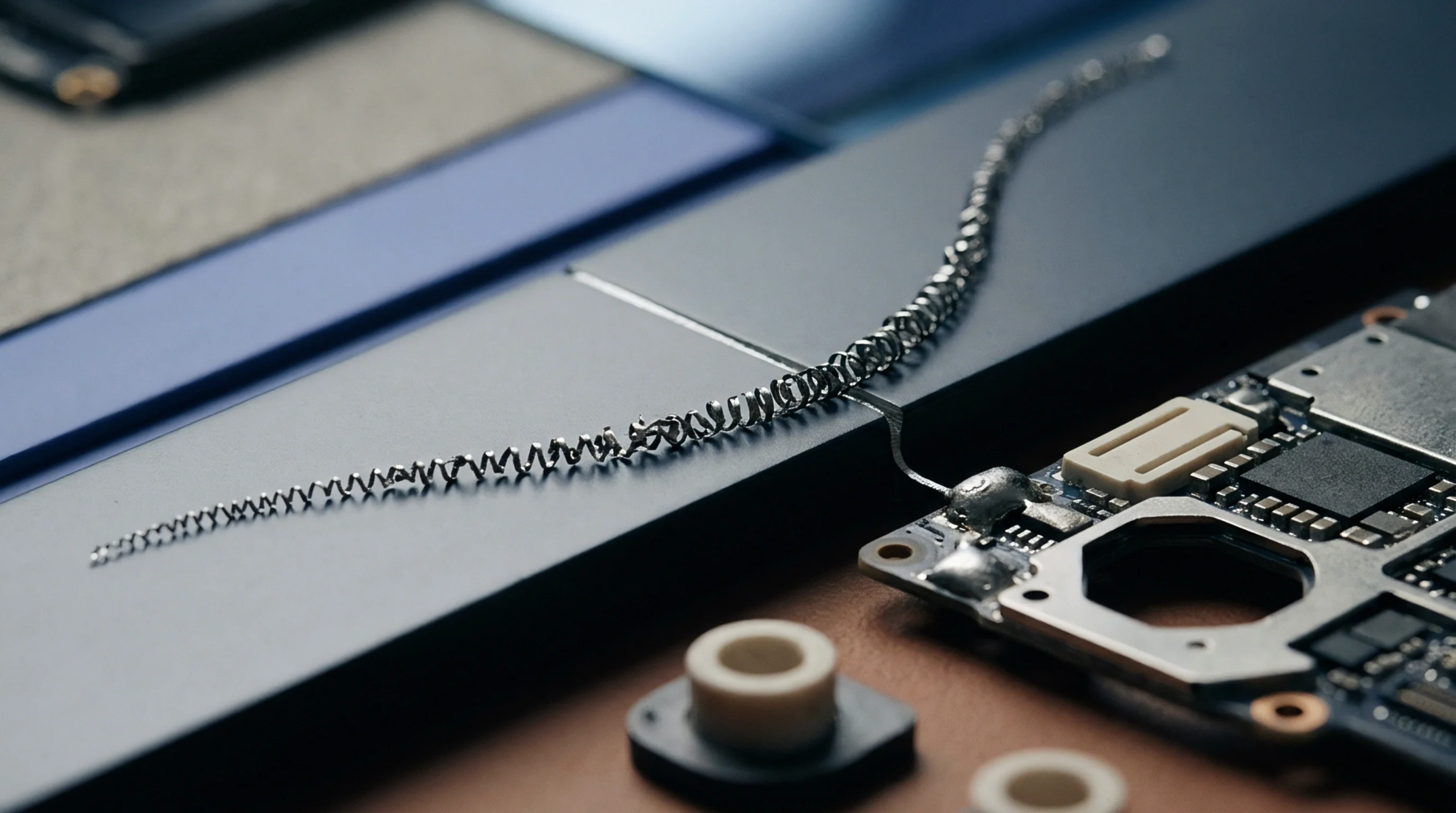
Maintaining low bath organic breakdown impurities and pre-solder thermal annealing suppresses Kirkendall void nucleation in electroplated copper substrates.

Manage Kirkendall voiding by capping plating bath sulfur impurities under 10 ppm and clamping reflow time above liquidus strictly between 45 and 60 seconds.

Thermal aging accelerates SAC305 intermetallic growth through parabolic diffusion, where Cu3Sn layer thickening and Kirkendall voiding reduce joint shear strength.

Quantifying intermetallic kinetics requires controlling reflow thermal input and substrate metallurgy to prevent brittle interface fracture during service.
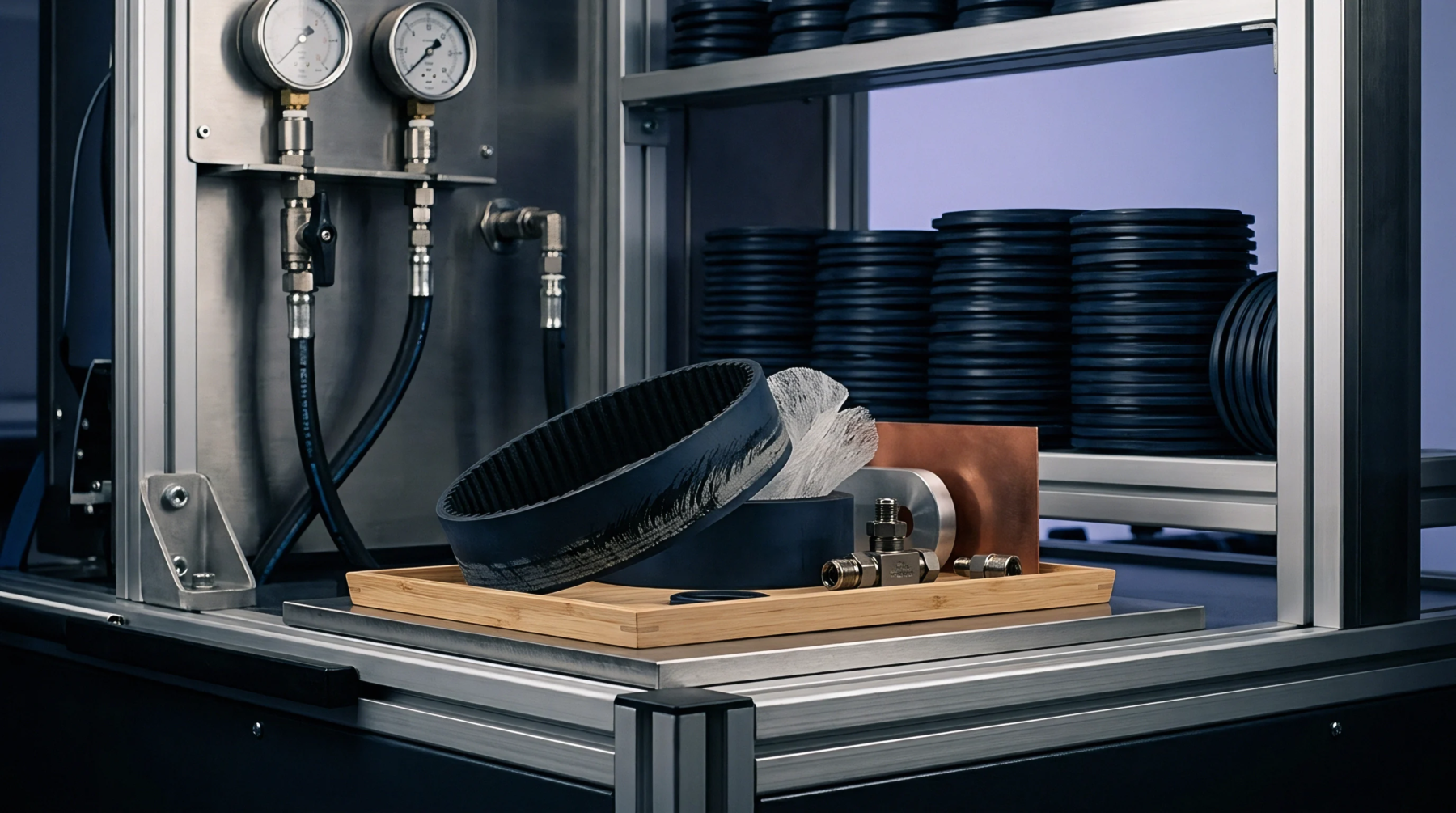
Controlling copper interfacial micro-void nucleation requires balancing plating bath organic additives, limiting total organic carbon, and enforcing slow thermal anneal ramps.

Controlling lead-free interfacial IMC growth demands peak reflow temperatures below 245 degrees Celsius and strict limits on total dwell time above liquidus.

Lead-free solder intermetallic layer growth follows parabolic solid-state diffusion kinetics, requiring strict reflow temperature control and micro-alloying to prevent embrittlement.

Intermetallic growth kinetics govern solder joint longevity; controlling thermal profiles and surface plating thickness prevents brittle interfacial failure.

Post-holiday wave solder defects stem from pot contamination, substrate moisture, and profile drift; lab microsectioning and strict lot debits prevent field failures.

Quantifying solder joint aging requires measuring intermetallic layer growth and void fraction via micro-polished cross-sections to model field failure reserves.

Dosing electroplating copper baths with controlled nickel or manganese trace dopants suppresses Kirkendall void accumulation and preserves joint shear strength.
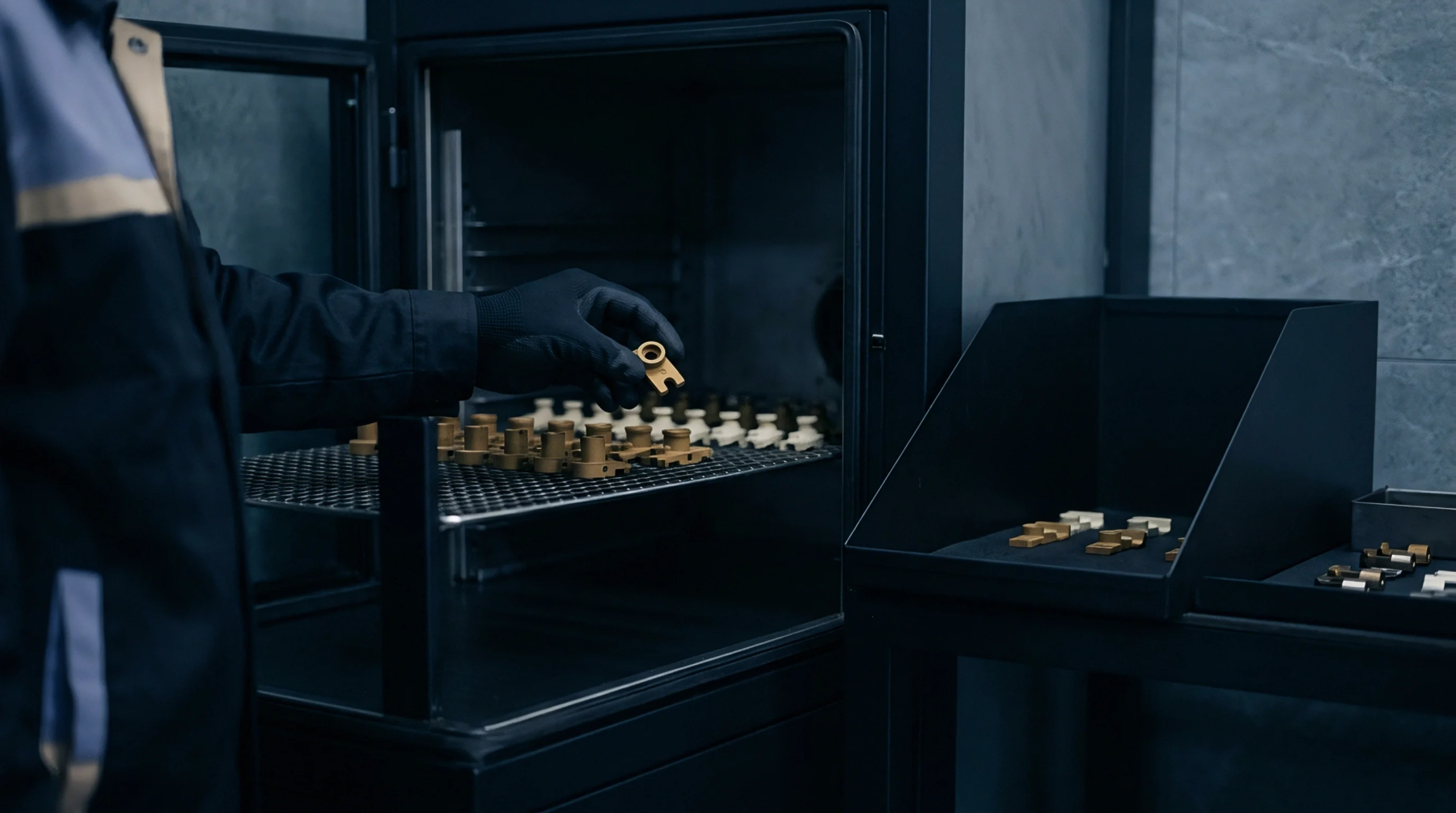
Calibrate microvoid kinetic growth by tracking Cu3Sn vacancy flux divergences under thermal shock to enforce max 10% linear void limits in supply contracts.

Post-holiday wave solder joints require ICP bath assays and high-speed shear testing to detect latent intermetallic embrittlement before field failure.
Expertise is a utility, not a secret. sentiention™ publishes its working knowledge as open reference: intelligence layer covering the materials it sources, the markets it enters, and the reference that serves both.